Why Choose a 4 Axis CNC Mill for Your Precision Machining Needs?
In the competitive landscape of precision machining, the demand for advanced manufacturing technologies continues to grow. According to a recent report by Grand View Research, the global CNC machine market is projected to reach over $100 billion by 2028, with 4-axis CNC mills playing a pivotal role in this expansion. Their ability to perform complex machining operations with unparalleled precision has made them an essential tool in industries ranging from aerospace to medical device manufacturing.
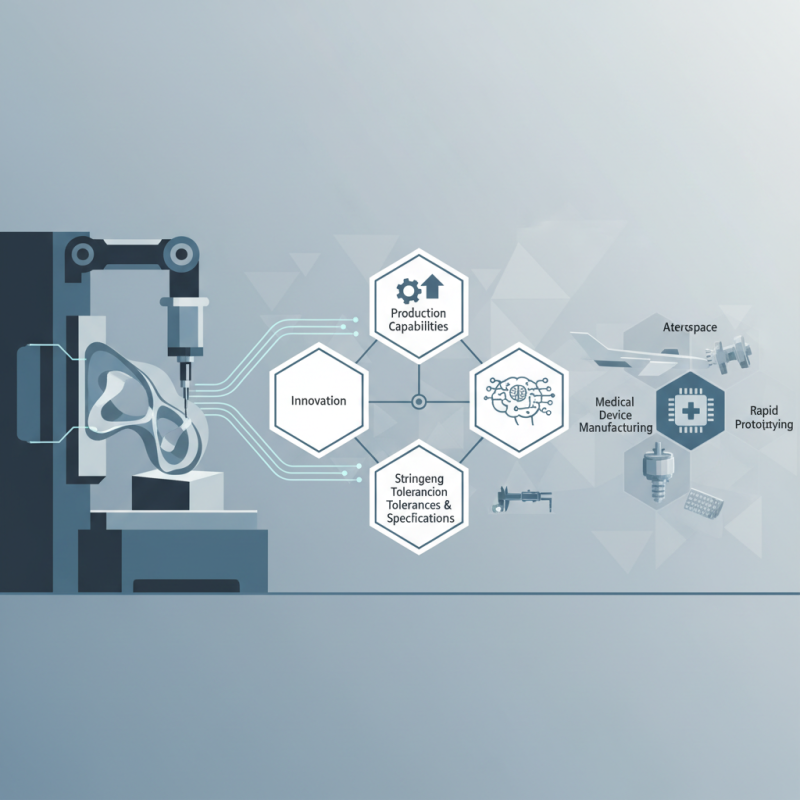
As highlighted by industry expert Dr. Emily Hayes, a leading voice in CNC technology, "The versatility and efficiency of a 4 axis CNC mill empower manufacturers to achieve intricate designs and enhance production capabilities." This statement underscores the importance of adopting 4-axis milling technology for businesses looking to maintain a competitive edge. The integration of 4-axis CNC mills not only streamlines production processes but also enhances the quality of machined components, allowing companies to meet stringent tolerances and specifications demanded by today's markets.
Investing in a 4 axis CNC mill is not just about keeping pace with technological advancements; it is a strategic decision that can drive innovation and improve overall operational efficiency. As manufacturers grapple with increasing customer expectations and the need for rapid prototyping, the advantages offered by 4-axis machining are becoming increasingly evident.
Understanding the Fundamentals of 4 Axis CNC Milling Technology
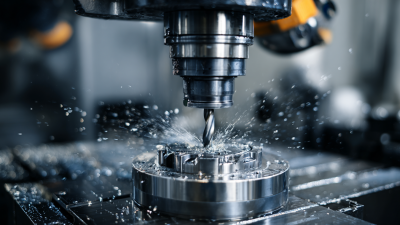
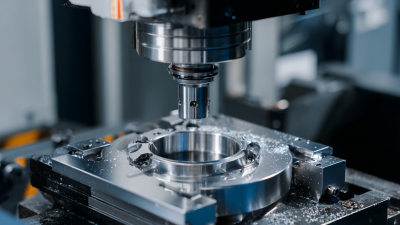
4 Axis CNC milling technology represents a significant advancement in precision machining, offering capabilities that far exceed those of traditional 3-axis machines. At its core, a 4-axis CNC mill integrates a rotating table or an additional rotary axis that allows for the machining of complex geometries from multiple angles in a single setup. This versatility minimizes the need for tool changes or repositioning, enhancing efficiency and reducing production time.
When leveraging 4-axis CNC milling, it’s essential to understand the fundamentals of its operation. The additional rotary axis provides the ability to perform intricate tasks such as undercuts and detailed profiles that would be impossible or too time-consuming to achieve with standard 3-axis equipment. This technology is particularly valuable in industries where precision and complexity are critical, such as aerospace, automotive, and medical device manufacturing.
Tips: To make the most of your 4-axis CNC milling setup, consider investing in quality tooling and maintaining proper machine calibration. Additionally, thorough programming and simulation before actual machining can prevent costly errors and material waste. Always ensure that you have enough tooling options to accommodate various materials and designs, as flexibility can hugely impact the efficiency of your operations.
Key Advantages of Using 4 Axis CNC Mills in Precision Machining
When it comes to precision machining, opting for a 4 axis CNC mill can significantly enhance operational efficiency and accuracy. One of the key advantages of a 4 axis system is its ability to perform complex machining tasks that require multiple angles and orientations. With the fourth axis, typically referred to as the rotary axis, machinists can program intricate shapes and contours that are impossible or time-consuming to achieve with a traditional 3-axis machine. This capability not only streamlines the production process but also minimizes setup times by allowing for more automated operations.
Another major benefit of utilizing a 4 axis CNC mill lies in its increased versatility and flexibility. These machines can handle a wide range of materials and can be used for diverse applications, from creating precise mold components to intricate parts for aerospace or medical industries. The enhanced machining capabilities also lead to improved surface finishes and tighter tolerances, contributing to higher quality outputs. By investing in a 4 axis CNC mill, manufacturers can significantly improve their productivity and precision in a competitive manufacturing landscape.
Applications of 4 Axis CNC Mills Across Different Industries
4 Axis CNC mills have become essential tools across various industries, providing enhanced capabilities for precision machining. In the aerospace sector, for instance, these machines are increasingly utilized for manufacturing complex aircraft components, where precision is non-negotiable. According to a market analysis by Research and Markets, the aerospace CNC machining market is expected to reach $2.4 billion by 2025, driven by the need for more advanced machining processes that can produce lighter and stronger materials.
The automotive industry similarly benefits from the capabilities of 4 Axis CNC mills. They enable manufacturers to produce intricate parts for engines, transmissions, and suspension systems with high accuracy. A report from Grand View Research highlighted that the automotive CNC machining market is projected to grow at a CAGR of 6.2% from 2020 to 2027, with a significant push towards adopting automated machining solutions. This growth underscores the demand for precision machining that can lead to improved vehicle performance and reduced manufacturing costs.
Additionally, the medical device sector relies heavily on 4 Axis CNC milling for creating custom implants and surgical instruments. The precision required in this field is paramount, as even minor inaccuracies can have substantial consequences. The medical device manufacturing market is anticipated to exceed $600 billion by 2024, as stated by Fortune Business Insights, emphasizing the indispensable role of advanced machining technologies in meeting regulatory standards and ensuring patient safety.
Comparative Analysis: 4 Axis vs. 3 Axis CNC Milling Machines
When considering the best machining solution for intricate projects, the choice between a 4-axis and a 3-axis CNC milling machine becomes crucial. A 3-axis CNC mill operates along the X, Y, and Z axes, allowing for the production of straightforward shapes and parts. While it is effective for a variety of machining tasks, its capabilities are limited when it comes to complex geometries and angles. This limitation can often lead to additional setups, which not only increase production time but also heighten the risk of inaccuracies during the machining process.
In contrast, a 4-axis CNC mill introduces an additional rotational axis, which enhances the machine's ability to manipulate the workpiece in unique ways. This added flexibility allows for machining on multiple sides of a workpiece without requiring manual repositioning. Consequently, companies that require high precision and intricate detailing benefit greatly from the 4-axis option. The ability to perform continuous machining enables more complex parts to be fabricated in a single setup, reducing the likelihood of error and streamlining production. This makes the 4-axis CNC mill an invaluable asset for industries where precision and intricate designs are non-negotiable.
Selecting the Right 4 Axis CNC Mill for Your Business Needs
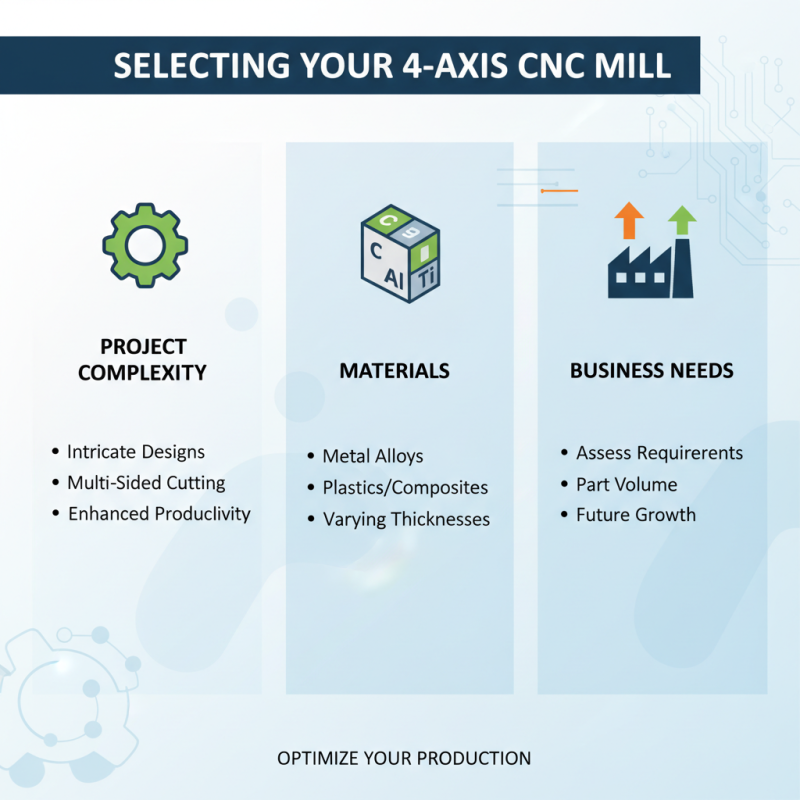
When selecting the right 4-axis CNC mill for your business needs, it's crucial to assess the specific requirements of your projects. Consider the complexity of the parts you'll be machining. A 4-axis CNC mill can significantly enhance productivity, especially for intricate designs that require cutting on multiple sides of a workpiece. Identify the materials you will primarily be working with, as different machines have varying capabilities regarding material types and thicknesses.
Tips: Before making a purchase, thoroughly research machine specifications and user reviews. This will give you insights into the reliability and performance of different models. Additionally, consider the flexibility of the machine; ensure it can accommodate both your current and future projects.
Another important factor is the available space in your workshop. Measure your workspace to ensure the 4-axis CNC mill fits comfortably while allowing room for efficient operation. Also, factor in the required maintenance and support from the manufacturer, as this can impact your downtime and overall productivity.
Tips: Create a checklist of essential features based on your business needs, such as spindle speed, tool changers, and software compatibility. This will help streamline your decision-making process and ensure the selected machine aligns with your operational goals.