How to Choose the Best Industrial Metal 3D Printer for Your Needs?
Choosing the right industrial metal 3D printer can significantly impact your production. With various options on the market, the decision process can be daunting. According to Dr. Emily Carter, a leading expert in additive manufacturing, “Selecting the best printer requires careful consideration of materials and applications.” This insight emphasizes the importance of aligning printer capabilities with your specific needs.
Finding the ideal industrial metal 3D printer involves understanding your project requirements. Each printer offers unique features, from build size to print speed. Key factors include material compatibility and the desired finish quality. Choosing poorly can lead to costly mistakes or wasted resources.
Reflecting on user experiences can provide valuable perspectives. Many users regret not fully understanding their printing needs before purchasing. An industrial metal 3D printer should meet both current and future demands. Balancing features with budget constraints is crucial for a successful investment. This approach can enhance productivity and innovation in manufacturing processes.
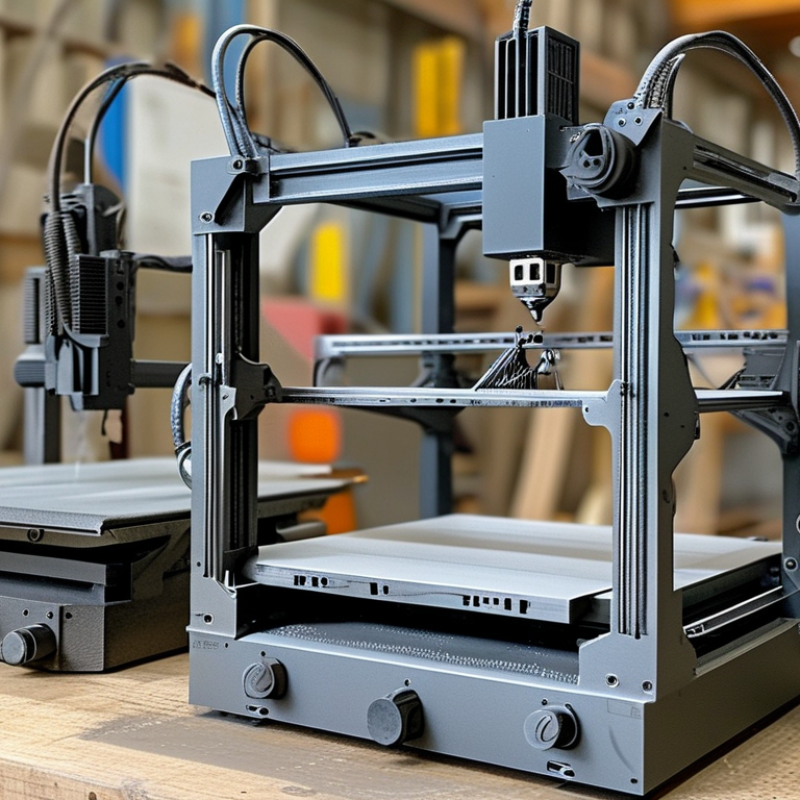
Understanding Your Printing Needs and Application Requirements
Choosing the right industrial metal 3D printer requires a clear understanding of your specific needs. Before making a decision, consider the types of materials you intend to use. Common choices include titanium, aluminum, and stainless steel.
Each material has unique properties that might suit different applications, from aerospace components to medical devices. Assess the mechanical requirements of your projects. Will you need high tensile strength or lightweight features? These questions guide your selection.
Next, evaluate the production volume you anticipate. Are you looking to create prototypes or large batches? This impacts the printer's build size and speed. Some printers excel in rapid prototyping, while others focus on high-precision parts for larger productions.
It’s also crucial to consider the post-processing requirements. Will you need extensive finishing work? Understanding these factors can prevent costly mistakes later on.
Keep in mind that some features may not always deliver as promised. For instance, a printer marketed for its speed might sacrifice precision. Additionally, the learning curve can be steep for advanced machines.
Be prepared to invest time in training and maintenance. This reflection is essential for making a knowledgeable choice that aligns with your production goals.
Key Features to Consider in Industrial Metal 3D Printers
When selecting an industrial metal 3D printer, several key features are crucial. Build volume is one of the most significant factors. Larger volumes allow for more extensive parts and reduce the need for assembly. According to a 2023 industry report, printers with build volumes exceeding 500 x 500 x 500 mm have seen a 40% increase in demand. This trend highlights the move towards producing larger components in sectors like aerospace and automotive.
Another vital feature is material compatibility. Different printers excel with specific metal powders, such as titanium or inconel. The selection of compatible materials can directly affect production quality and cost-efficiency. A study from the Additive Manufacturing Global Market Report indicated that 60% of companies prioritized material versatility when investing in 3D printers. Manufacturers often seek machines that provide flexibility to explore various applications without substantial investments each time.
Lastly, print speed and reliability are essential. Machines that can consistently deliver high-quality prints at a rapid pace often gain preference. Delays in production can lead to significant losses. An analysis by the Wohlers Report found that 32% of firms experienced downtime related to printer inefficiencies. Understanding these elements can help businesses make informed decisions regarding their investment in metal 3D printing technology.
Comparing Different Metal 3D Printing Technologies
Metal 3D printing technologies have advanced significantly, providing various options for industries. Each method has unique advantages that cater to specific needs. Laser-based processes, such as Selective Laser Melting (SLM), create parts layer by layer using fine metal powder. This technique is known for its precision and ability to produce complex geometries. However, it can struggle with larger parts and requires post-processing to ensure surface quality.
Another popular method is Direct Metal Laser Sintering (DMLS). This technology offers similar benefits to SLM but typically operates at higher speeds. Users often choose DMLS for its efficiency in producing small batch runs. Nonetheless, the technology may present challenges in terms of material compatibility.
When selecting the right technology, consider several factors. Think about the intended application. Each metal 3D printer caters to different industries. For aerospace, high precision is essential. For automotive, speed and cost efficiency are critical. Evaluate the build size as well; some printers may not accommodate your project’s scale.
In addition, material selection is crucial. The range of metals available, such as titanium or aluminum, can affect the final product's properties. Leave room for trial and error during your selection. It helps to collaborate with experts in the field to understand the many nuances of each technology. Knowledge shares among professionals often lead to better choices.
Evaluating Material Compatibility and Availability
Evaluating material compatibility is crucial when selecting an industrial metal 3D printer. Different printers support various materials, such as stainless steel, aluminum, or titanium. Understanding the specific requirements of your projects is essential. Each material has unique properties that affect strength, durability, and finishing processes. Researching the available materials ensures that your chosen printer can produce the desired results.
Availability of materials is another important consideration. Some metals may be hard to source quickly. This can lead to delays in production schedules, impacting your business. It's wise to evaluate suppliers and their inventory levels. Regularly used materials should be easily accessible. Additionally, consider potential future projects that might require different metals.
While many printers offer impressive capabilities, not all will suit every application. Some may require specific post-processing techniques, which can be time-consuming. It's vital to reflect on whether the benefit of a particular metal outweighs the complexity it introduces. The ideal choice balances performance, availability, and the specific needs of your projects.
Material Compatibility in Industrial Metal 3D Printing
Assessing Costs, Maintenance, and Support Services
When considering an industrial metal 3D printer, maintenance is a crucial factor. Regular upkeep ensures high performance and longevity. Many printers require frequent calibration. If neglected, this can lead to printing errors. Schedule routine checks to avoid costly mistakes. Ensure you have access to replacement parts. Without them, your production will halt, affecting schedules.
Cost is another significant consideration. The initial investment can be substantial. Beyond the purchase price, factor in ongoing operating costs. Materials, maintenance, and electricity contribute to the total expenses. It's essential to conduct a thorough cost analysis. Hidden costs can make an ostensibly affordable printer much less attractive.
Support services play a vital role as well. Choose a manufacturer that offers comprehensive support. Access to technical assistance can simplify troubleshooting. A knowledgeable support team can guide you through complex issues. Some manufacturers provide training, enhancing your team's skills. Training can maximize the printer’s capabilities. This becomes crucial as technology evolves. Prioritize vendors with a solid reputation for service and reliability.