10 Essential Tips for Choosing CNC Machining Centers for Your Projects?
Choosing the right CNC machining centers is crucial for achieving precision and efficiency in your projects. With various options available, it's important to consider key factors that influence performance. Quality CNC machining centers play a vital role in production speed, accuracy, and overall project success.
Understanding the specifications of CNC machining centers can be overwhelming. Each machine offers different capabilities, such as cutting speed and material compatibility. It's common to feel uncertain when trying to make the best choice. A wrong decision might lead to delays or poor-quality results, which could impact your project timeline.
Consider your specific needs. Evaluate the types of materials you plan to work with. Think about the complexity of your designs. Ultimately, selecting the best CNC machining centers requires thoughtful consideration of your unique requirements. Reflection on past experiences can guide your choices. Aim for clarity while being mindful of potential challenges ahead.
Understanding the Basics of CNC Machining Centers
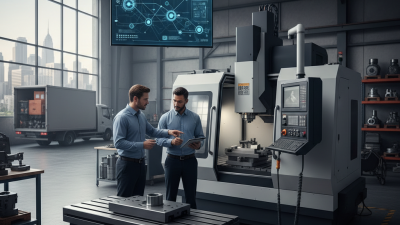
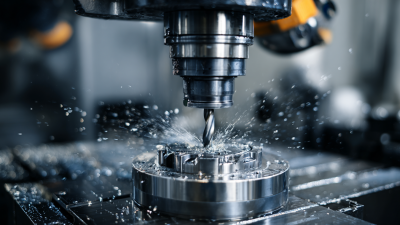
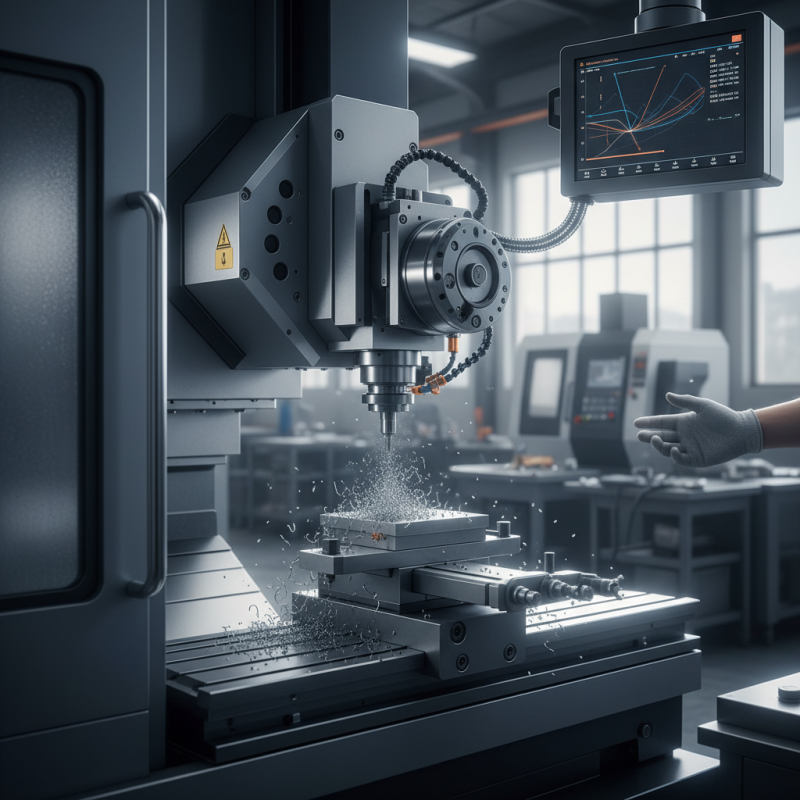
CNC machining centers are vital in manufacturing. They automate the machining process, increasing precision and efficiency. Understanding the basics helps choose the right one for your project. The main components include the spindle, tool holder, and control system. Each piece works together to create quality parts.
When selecting a CNC machining center, consider your project requirements. Analyze the materials you'll be working with. Some machines handle harder materials better than others. Speed and accuracy are crucial, but don’t neglect the machine's ease of use. A complex interface could slow down production and create mistakes.
One tip is to evaluate the machine's maintenance needs. Regular upkeep is essential for longevity. Underestimating this could lead to costly repairs or downtime. Also, think about the support you’ll need in training and troubleshooting. Relying solely on manuals can lead to errors. A good support system is invaluable, especially for beginners. A little foresight goes a long way in preventing issues.
Evaluating Project Requirements for CNC Milling
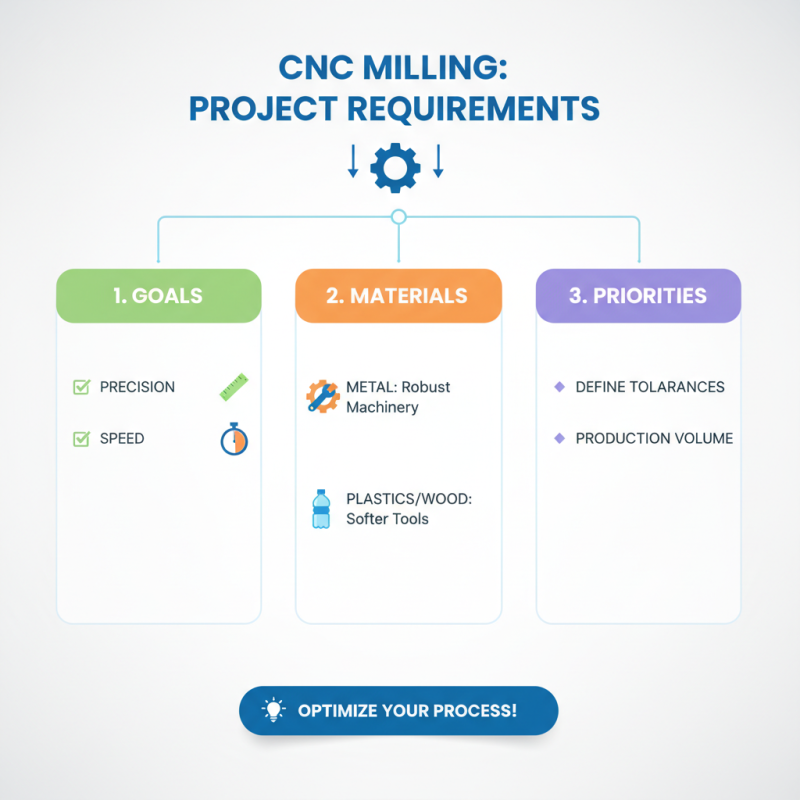
When evaluating project requirements for CNC milling, it’s crucial to clarify your goals. Consider the materials you’ll use. Different materials require varying cutting speeds and tools. Metal, for example, demands more robust machinery than softer materials like plastic. Are you aiming for precision, or is speed more important? Defining these priorities will guide your decision.
Next, think about the desired complexity of your designs. Simple shapes may not need advanced CNC centers. However, intricate patterns or multi-axis cuts will require more sophisticated machines. Assess the potential for errors. Even experienced machinists make mistakes. Buy equipment that can accommodate some level of human error. Flexibility in design can also save time and cost.
Lastly, budget constraints can’t be ignored. A high-end CNC machine might seem appealing, but does it fit your project needs? Many projects can succeed with mid-range options. It’s essential to strike a balance between quality and cost. Reflecting on these factors can help in selecting the right CNC machining center for your project.
Key Features to Look for in CNC Machining Centers
When selecting CNC machining centers, certain key features are crucial. These features directly impact efficiency and precision. According to a recent report by the International Federation of Robotics, CNC machines with advanced automation can enhance productivity by up to 30%. Automation reduces human error and speeds up production times significantly.
The spindle speed is another critical factor. Spindle speeds above 10,000 RPM allow for faster machining and better surface finishes. This can lead to more intricate designs and reduced cycle times. Moreover, machines equipped with high-torque motors can handle harder materials more effectively. This strength in machining is vital for high-demand projects.
Tool changers also play a pivotal role. Centers with fast tool change capabilities can switch between different tasks quickly. Reports indicate that machines with automatic tool changers can reduce downtime by up to 20%. Additionally, consider the machine's overall rigidity. A sturdier frame can minimize vibrations, enhancing both precision and longevity. Selecting a CNC machine with these vital features is non-negotiable for quality output.
10 Essential Tips for Choosing CNC Machining Centers for Your Projects
| Feature |
Description |
Importance |
| Machining Capacity |
The maximum size and weight of materials the CNC machine can process. |
High |
| Spindle Speed |
The rate at which the spindle rotates, affecting machining efficiency. |
High |
| Positioning Accuracy |
The precision of the machine in positioning the cutting tool. |
Critical |
| Tool Changer Capacity |
Number of tools the machine can hold and change automatically. |
Medium |
| Control Software |
User-friendly interface and CAD/CAM compatibility. |
High |
| Build Quality |
Durability and stability of the machine frame and components. |
High |
| After-Sales Support |
Availability of parts, service, and technical support. |
High |
| Energy Efficiency |
Power consumption and overall energy usage of the machine. |
Medium |
| Safety Features |
Built-in safety protocols and mechanisms to protect operators. |
Critical |
| Cost |
Initial purchase price and long-term operating costs. |
High |
Comparing Different CNC Machining Technologies
When comparing different CNC machining technologies, it's crucial to understand their unique features.
CNC milling is often favored for its versatility.
It allows for both roughing and finishing tasks, creating complex geometries with high precision.
CNC turning, on the other hand, excels in producing cylindrical parts.
It typically offers faster machining times for round components.
Tip: Always assess your project's specific requirements before choosing a technology.
CNC laser cutting is another popular method. It provides high accuracy and is well-suited for materials like metal and plastic.
However, it may struggle with thick materials.
Waterjet cutting is an alternative that can handle a wider variety of materials.
Yet, it may produce slower results than laser cutting.
Tip: Consider material compatibility when selecting machining technologies.
The choice of technology can significantly affect production speed and quality.
Some processes produce better surface finishes than others, making them more suitable for detailed projects.
Keep performance metrics in mind. Ideally, a technology should meet both your budget and quality needs.
Test runs can help reveal limitations. Each method has its strengths and weaknesses, requiring careful alignment with project goals.
Budget Considerations for CNC Machining Projects
Budget considerations are crucial when choosing CNC machining centers for your projects. According to a report by Market Research Future, the CNC machining market is expected to grow at a CAGR of over 7% from 2022 to 2028. This growth reflects the increasing demand for precision and efficiency in manufacturing. However, a higher growth rate often leads to increased costs.
Choosing the right machining center demands a thorough analysis of your budget. Basic models may cost around $30,000, while advanced models can exceed $100,000. Remember, this doesn't include maintenance or software costs. Additional expenses like tooling or training can add up quickly. It's vital to account for these factors when budgeting your project.
Utilizing a cost-benefit analysis can help guide your decisions. Evaluate the potential return on investment. When considering a specific CNC machine, think about its long-term utility. Will it meet future demands? An especially cheap option may save money now but could lead to failure later. Decisions made today can affect your budget for years to come. Balancing initial costs with future goals is key in CNC machining projects.