Top 10 Air Duct Machine Types for Global Buyers
The global HVAC industry is becoming more demanding, and air-duct production is moving beyond simple cutting and folding. According to Grand View Research and MarketsandMarkets, HVAC equipment demand continues to expand alongside construction, renovation, and indoor-air-quality requirements. This growth creates practical pressure for fabricators. They need faster output, cleaner edges, repeatable dimensions, and less material waste. Here, the right Air Duct Machine can influence both workshop efficiency and project reliability.
This guide examines ten major machine types used by global buyers. These include plasma cutting machines, laser cutters, CNC duct lines, lock-forming machines, Pittsburgh machines, beading machines, flange-forming machines, and automated folding systems. Each option serves a different production reality. A small contractor may value compact tooling and easy maintenance. A large factory may prioritize servo accuracy, automatic nesting, and continuous feeding. The U.S. Department of Energy notes that poorly sealed or insulated ducts can waste substantial conditioned air, making fabrication quality more than a cosmetic concern. It affects operating costs.
No machine fits every factory. That matters. ASHRAE guidance also emphasizes proper duct design, sealing, insulation, and commissioning, rather than equipment selection alone. Buyers should compare material thickness, galvanized-steel compatibility, aluminum handling, control systems, safety features, after-sales support, and local service access. Reported specifications can look impressive, yet real performance may change with operator skill, maintenance, and installation conditions. This ranking is therefore a useful starting point, not a final verdict. A careful buyer should still test samples, inspect tolerances, and question optimistic promises before investing.
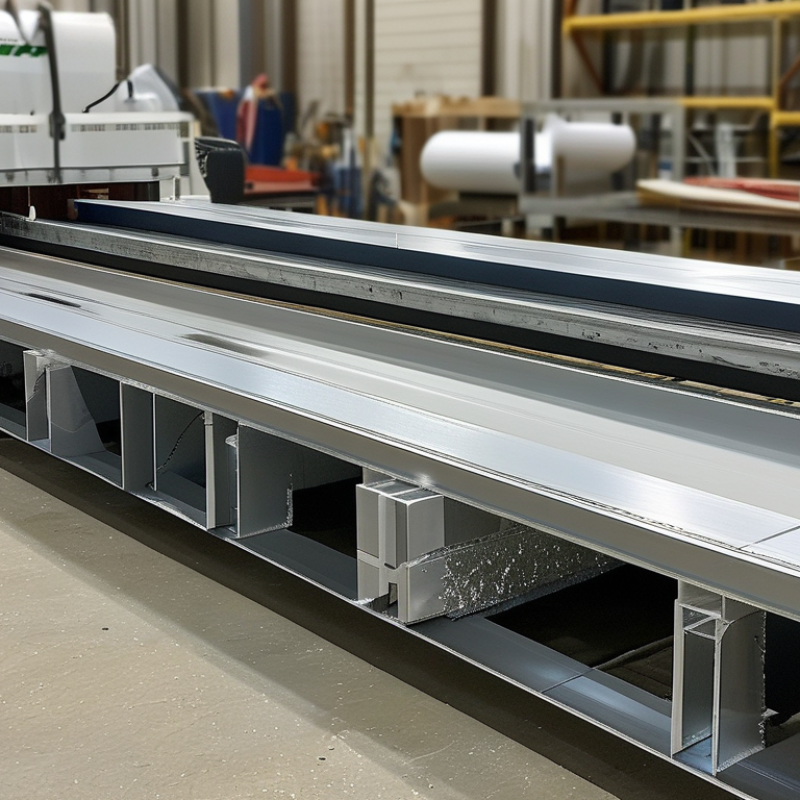
Understanding Air Duct Machines and Their Main Classifications
Air duct machines are best understood by their tasks, not by their sales ranking. In practical purchasing, the main groups include coil lines, plasma cutters, laser cutters, shearing machines, lock formers, flange formers, folding machines, beading machines, seam closers, and duct cleaning or testing equipment. Each type supports a different production stage. Cutting machines shape galvanized steel or aluminum sheets. Forming machines create Pittsburgh locks, standing seams, or reinforced edges. Flanging equipment prepares connection surfaces for installation.
Classification also depends on automation and duct geometry. Manual machines suit workshops with varied, low-volume orders. Semi-automatic systems reduce repetitive labor while keeping operator control. Fully automated lines connect decoiling, leveling, punching, cutting, and forming in one workflow. Rectangular duct equipment differs from spiral duct machinery because their profiles, seams, and reinforcement methods are not the same. A round duct line may need different tooling from a rectangular panel system.
Experienced buyers should check sheet thickness, material compatibility, working width, forming speed, dimensional tolerance, power supply, and maintenance access. A machine that runs quickly may still create weak corners or inaccurate flanges. Small errors become visible when panels meet on site. There is no universal best type. The right classification depends on production volume, duct standards, available space, operator skill, and local installation practice. Some specifications look impressive on paper, yet require careful verification through sample production and measured results.
Top 10 Air Duct Machine Types for Global Buyers
Understanding Air Duct Machines and Their Main Classifications
The chart compares the indicative upper sheet-thickness capacity of ten commonly used air duct fabrication machine types. Values are representative ranges for galvanized steel used in HVAC ductwork; actual capacity depends on machine configuration, tooling, material grade, and manufacturer specifications.
Top 10 Air Duct Machine Types by Function and Production Process
Top 10 Air Duct Machine Types for Global Buyers
Top 10 Air Duct Machine Types by Function and Production Process
Air duct production starts with sheet preparation and accurate cutting. Coil lines level, feed, and cut galvanized steel continuously. Plasma cutting machines create clean openings for dampers, branches, and access panels. Shearing machines handle straight cuts when flexible production is needed. A small error here can affect every later joint.
Forming equipment shapes the duct body and its connections. Pittsburgh lock forming machines create strong longitudinal seams. Snap-lock machines support faster assembly for lighter sections. TDF flange machines form standardized flange edges on rectangular ducts. Spiral duct machines roll and lock metal into round sections. Rectangular duct forming lines combine several operations and reduce manual handling. Their speed is useful, but poor setup can produce costly scrap.
Finishing machines improve fit and installation quality. Seam closers press locked joints without damaging thin sheet. Notching machines prepare corners for folding. Folding machines create precise edges for panels and elbows. Insulation cutting machines trim boards around fittings and access doors. I have seen impressive output from automatic lines, yet operators still need frequent checks. Buyers should compare sheet thickness, working width, control systems, spare parts, and training. Local electrical requirements also matter. A machine that performs well in one workshop may disappoint in another.
Key Features and Applications of Each Air Duct Machine Type
Top 10 Air Duct Machine Types for Global Buyers
Air duct equipment should match production volume, material, and local installation practice. The IEA’s 2023 Global Status Report states that buildings consume about 30% of global final energy. Accurate duct fabrication can reduce leakage and rework. Spiral duct forming machines create round ducts quickly, with consistent seams for factories, warehouses, and workshops. Plasma cutting machines handle galvanized steel and stainless steel for large rectangular systems. Laser cutting machines offer cleaner edges and detailed openings, but their investment can be difficult for smaller plants.
Lock-forming machines prepare sheet edges for secure joints. Pittsburgh seam machines support compact rectangular duct production. TDF flange machines form standardized connection frames, helping installers align sections on busy construction sites.
Roll-forming machines produce repeated profiles at stable speeds. They suit high-volume projects. Beading machines add stiffening ribs, reducing panel vibration across long duct sections. Grooving machines create controlled channels for connectors and reinforcement. Insulation cutting machines shape boards or flexible materials around bends, reducing waste at the installation site.
Field experience shows that speed alone is a poor buying measure. The U.S. Department of Energy links HVAC systems to roughly 40% of commercial building energy use. A weak seam can erase the value of efficient equipment. Buyers should check tolerances, tooling changes, dust control, operator training, and after-sales support. No machine fits every factory. A careful trial with local sheet metal is still necessary. Retrofit assumptions often fail.
How to Choose, Purchase, and Maintain Air Duct Machinery Internationally
Top 10 Air Duct Machine Types for Global Buyers
Choosing air duct machinery internationally requires more than comparing prices. Buyers should match each machine to duct material, thickness, production volume, and local power standards. Common choices include plasma cutters, laser cutters, lockformers, Pittsburgh machines, TDF flange formers, cleat machines, seam closers, beading machines, coil lines, and duct cleaning equipment.
Buy for the duct you actually make. A small workshop may need a Pittsburgh lockformer and manual folding machine, while a high-volume factory may justify an automated coil line. Check motor voltage, frequency, safety certification, spare-part availability, and operator training before payment.
The 2023 UNEP Global Status Report for Buildings and Construction states that buildings used about 30% of global final energy in 2022. Accurate fabrication can reduce leakage, waste, and installation rework.
Maintenance should be practical and recorded. Inspect rollers weekly, remove metal dust daily, and lubricate moving parts according to the service manual. Measure finished seams with gauges, not eyesight.
International buyers should request factory acceptance tests, installation drawings, digital manuals, and a documented warranty. The 2023 International Energy Agency Energy Efficiency report links better efficiency with stronger equipment performance, but purchasing teams sometimes overestimate automation.
My checklist is not foolproof. Local technicians, humidity, transport damage, and inconsistent sheet quality can change the result. Plan for those details.